Forex Trading Risk — Indian Traders
Most Forex brokers reviewed on this site are offshore platforms not regulated by SEBI or RBI. Trading Forex through offshore brokers from India may be inconsistent with FEMA 1999 and RBI Master Directions on Foreign Exchange. Retail Forex trading on international brokers carries both financial risk (you can lose your capital) and regulatory risk (potential legal implications under Indian law). Consult a SEBI-registered financial adviser before depositing funds.
In This Guide (7 sections)
Top Forex Brokers for Indian Traders (2026)
Every broker on this list is an offshore platform. None are regulated by SEBI or authorised by the RBI for retail forex trading. That is the starting point — not a disclaimer buried at the bottom, but the first thing you need to understand before depositing a rupee.
With that established: these are the brokers that, in our assessment, offer the best combination of regulation quality, execution, deposit options for Indian traders, and withdrawal reliability. Being on this list does not make them legally equivalent to a SEBI-registered broker. It makes them among the better offshore options available to Indian traders who choose to use them.

XM
Founded 2009 · Cyprus
Pros
- Very low minimum deposit ($5)
- Strong regulation (CySEC, ASIC, FCA)
- Best-in-class educational resources
- MT4 and MT5 both available
Cons
- Not regulated by SEBI/RBI — offshore only for Indian traders
- Standard spreads are wider than ECN brokers
- Inactivity fee applies after 90 days
- No INR account base currency

AvaTrade
Founded 2006 · Ireland
Pros
- Regulated across 6 jurisdictions including CBI Ireland
- Excellent for beginners — education and fixed spreads
- AvaProtect risk management tool
- Social trading via AvaSocial
Cons
- Steep inactivity fees ($50 after 3 months)
- No UPI/INR support for Indian traders
- Spreads not competitive for scalpers
- Offshore for Indian clients

EightCap
Founded 2009 · Australia
Pros
- ASIC and FCA regulated (top-tier)
- TradingView integration
- Competitive raw spreads from 0.0 pips
- No inactivity fees
Cons
- $100 minimum deposit
- No UPI/INR support
- Offshore for Indian traders

FxPro
Founded 2006 · Cyprus / United Kingdom
Pros
- FCA regulated (top-tier UK regulator)
- Choice of 4 platforms including cTrader
- Excellent NDD execution — no dealing desk
- Negative balance protection
Cons
- $100 minimum deposit
- Inactivity fee after 6 months
- No UPI or INR support for Indian clients
- Offshore for Indian traders
Full Comparison Table — All 9 Evaluated Forex Brokers
Ireland
Australia
Cyprus / United Kingdom
Poland / United Kingdom
Australia
Marshall Islands
| # | Broker | Rating | Min. Deposit | Regulation | Platforms | Action |
|---|---|---|---|---|---|---|
| 1 | XM XM Cyprus | 8.2/10 4.1 | $5 (≈ ₹420) | CySECASIC+2 more | MT4MT5 | |
| 2 | AV AvaTrade Ireland | 7.8/10 3.9 | $100 (≈ ₹8,300) | CBIASIC+4 more | MT4MT5 | |
| 3 | EI EightCap Australia | 8.1/10 4.0 | $100 (≈ ₹8,300) | ASICFCA+1 more | MT4MT5 | |
| 4 | FX FxPro Cyprus / United Kingdom | 8.3/10 4.2 | $100 (≈ ₹8,300) | FCACySEC+2 more | MT4MT5 | |
| 5 | XT  XTB Poland / United Kingdom | 8.4/10 4.2 | $0 (no minimum) | FCACySEC+3 more | xStation 5xStation Mobile | |
| 6 | FB  FBS Belize | 7.2/10 3.6 | $1 (≈ ₹85) | CySECASIC+1 more | MT4MT5 | |
| 7 | FP  FP Markets Australia | 8.3/10 4.2 | $100 (≈ ₹8,300) | ASICCySEC+1 more | MT4MT5 | |
| 8 | LI  LiteFinance Marshall Islands | 7.0/10 3.5 | $50 (≈ ₹4,200) | CySEC | MT4MT5 | |
| 9 | FN  FNMarkets Seychelles | 6.8/10 3.4 | $50 (≈ ₹4,200) | FSA | MT5WebTrader |
⚠ All brokers listed are offshore platforms for Indian traders. Trading with these brokers may not comply with RBI/FEMA guidelines. Minimum deposits shown in USD. INR equivalent varies with exchange rate. Last updated: October 2026.
Looking for detailed side-by-side spread comparisons, account metrics, and scoring breakdowns across all evaluated platforms? Read our complete forex trading brokers review directory.
How to Choose a Forex Broker as an Indian Trader
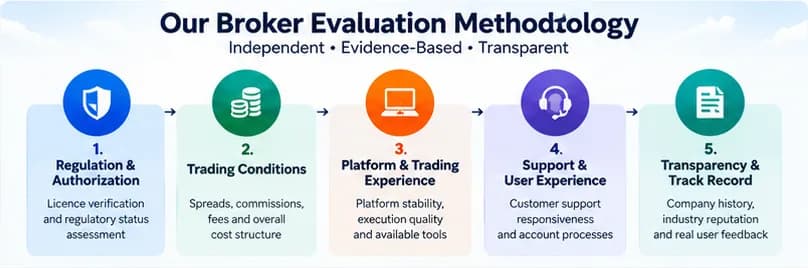
The criteria that matter for Indian traders are somewhat different from what matters for, say, a UK or Australian retail trader. Here is what to weight and why:
1. Regulation Quality
Not all regulatory licences are equal. The hierarchy roughly runs: FCA (UK) and ASIC (Australia) at the top, then CySEC (Cyprus), then FSCA (South Africa) and SCB (Bahamas), then FSC (Mauritius/Seychelles), then SVG (Saint Vincent and the Grenadines) at the bottom. SVG has no meaningful financial regulator — brokers register there specifically to avoid regulation.
For Indian traders, even the best offshore regulation doesn't give you the same protection as SEBI, but a CySEC or ASIC-regulated broker is meaningfully safer than an SVG broker. Capital requirements, client fund segregation, and negative balance protection are actually enforced by these regulators.
2. Indian Deposit Options
Most offshore brokers don't support UPI or Net Banking directly. For the brokers on our evaluated list, international debit/credit card and Skrill/Neteller are the standard deposit routes. Fund a Skrill or Neteller account via Indian bank transfer, then deposit to the broker — this is the most practical route for Indian traders without an international card.
3. Withdrawal Speed and Reliability
Withdrawal reliability is the single most important operational characteristic of a broker, and it's the one most marketing materials never mention. Check independent broker reviews, Reddit threads (r/Forex), Trustpilot with appropriate scepticism, and what actual Indian traders report.
For the brokers on our evaluated list: EightCap and FP Markets have strong withdrawal reputations with 1-2 business day processing. XM is generally reliable. FxPro processes within 1-3 business days. For any broker, test withdrawal reliability early — make a small withdrawal ($50-$100) before building up a large balance.
4. Spreads for Your Trading Style
For swing traders, spread differences of 0.5-1 pip matter relatively little. For scalpers and day traders, spreads compound into meaningful cost. EightCap and FP Markets raw accounts give 0.0-0.1 pip EUR/USD spreads — the tightest available at retail from our evaluated brokers. XM and FBS Standard accounts are 1.6+ pips — fine for swing trading, costly for scalping.
Tip
The Regulatory Reality for Indian Forex Traders
India has a clear legal framework for currency trading: SEBI-regulated currency derivatives on NSE, BSE, and MSE. This is fully legal, fully regulated, and fully within the RBI and FEMA framework.
Offshore forex trading exists in a different legal space. FEMA 1999 restricts speculative foreign currency transactions. The RBI's Master Directions don't explicitly authorise retail speculative forex trading through offshore platforms. This is a genuine legal grey area — not a technicality, but a substantive regulatory ambiguity that you should understand before using any platform on this list.
Enforcement is selective and tends to focus on larger cases, platforms operating illegally in INR, and fraud cases. Most retail traders using offshore platforms do not face enforcement action. But that is different from saying it's legal — and the regulatory landscape can change.
Understand the Legal Framework First
Before opening any offshore forex account, read our complete guide to Indian forex regulations, FEMA, and what traders actually risk.
Deposits and UPI Support — India-Specific Guide
Depositing to an offshore forex broker from India involves getting money from your Indian bank account to a foreign broker. Here are the main routes:
| Method | Supported By | Fees | Speed | Notes |
|---|---|---|---|---|
| Skrill/Neteller | XM, AvaTrade, EightCap, FP Markets, FxPro | 1-2% + exchange rate | Instant | Fund e-wallet via Indian bank transfer, then deposit to broker |
| International Debit/Credit Card | Most brokers | 1-3% | Instant | Works if your bank has international transactions enabled |
| Skrill / Neteller | Most brokers | 1-2% + exchange rate | Instant | Fund e-wallet via bank transfer then deposit to broker |
| Bank Wire Transfer | All brokers | ₹500-₹2,000 typically | 2-5 business days | Slowest but supported universally |
| Cryptocurrency | Select brokers | Network fee only | Minutes to hours | Compliance with Indian crypto regulations required |
Warning
Risk Warning — What Indian Traders Must Understand

Before the FAQ, let me be direct about risk. Not in the obligatory legal way, but in the practical way that matters to a retail trader sitting in Mumbai or Bengaluru deciding whether to deposit ₹20,000:
Most retail forex traders lose money. The ESMA data (from European regulators who require brokers to publish loss statistics) consistently shows 70-85% of retail CFD accounts losing money. This isn't a scare stat — it's the documented outcome of retail forex trading across major regulated markets.
Leverage is the primary driver. Leverage of 1:100 means a 1% move against your position wipes your margin. Most new traders use leverage they don't understand, on positions too large for their capital, without stop losses that actually protect them. The market is then running the exact scenario the broker's risk department is comfortable with.
Start with a demo account. Then start small with real money. Risk 1% of your account per trade maximum until you have six months of profitable trading. Don't add to losing positions. Don't revenge trade. The market will be there tomorrow. Most trading accounts won't be, if you ignore these basics.
Official Regulatory References & Sources
- • Reserve Bank of India (RBI): RBI Advisory Press Releases on Unauthorised Forex Platforms — Official warning declarations and alert lists of electronic entities not permitted to offer forex services to Indian residents.
- • Ministry of Finance (Government of India): FEMA Legislation Registry — Detailed statutory provisions under FEMA 1999 outlining the rules for current account foreign currency remittances.
Frequently Asked Questions
Editor & Financial Researcher
Last updated
May 2026
Editor and financial researcher at BinaryOptionTrading.in. Focuses on retail trading platforms, SEBI/RBI regulations, and trader education. About our research & editorial team.
Editorial Transparency & Integrity
BinaryOptionTrading.in is a research and educational publication. Our evaluations are built on structured document research, regulatory registry cross-referencing, and fee schedule analysis under Indian market context. Proprietary trading firms (prop firms) operate evaluation and demo account services and are not SEBI-regulated financial brokers or deposit-taking institutions. We do not modify ratings or omit regulatory warnings in exchange for sponsor payouts. Read our full Review Methodology and Editorial Standards.
Forex Trading Risk — Indian Traders
Most Forex brokers reviewed on this site are offshore platforms not regulated by SEBI or RBI. Trading Forex through offshore brokers from India may be inconsistent with FEMA 1999 and RBI Master Directions on Foreign Exchange. Retail Forex trading on international brokers carries both financial risk (you can lose your capital) and regulatory risk (potential legal implications under Indian law). Consult a SEBI-registered financial adviser before depositing funds.